
1. Think of the Gift Recipient First
This is perhaps the greatest consideration you take when deciding to make a Christmas gift hamper. Christmas is a time to celebrate and gift. If you want your gift to be positively accepted, then you have to study the recipient. First of all ask your questions like, does your recipient like wines, chocolate, games or sports? Is he or she a teacher, a nurse or a doctor? Is she a new mother or is he a dad? What personalities do they have? Where do they come from? Answering such questions will ensure that you are on the right path to create a wonderful Christmas gift hamper
2. Think of Yourself Second
A gift hamper is an expression of your tastes and personalities. Try including things that you are in love with, ones that reflect your work, family and personalities. If you are recently from a safari, include something special that you came back with. It could be Spanish wine, French cuisine, music or even, some special chocolate bars. In this way, the recipient of your gift hamper is going to feel associated with and increase the possibility of a positive acceptance. If you own a picture of your family and theirs, you can try to spice it up by including it in your gift hamper.
3. Include Something Personal You Have Made or Used Together
Adding something that you have made yourself or one that you both like will spice up the hamper. For instance, if you both like tennis, try adding a tennis ball in the gift hamper and perhaps your latest scorecard even though it might not have been so good. If the recipient of your gift likes food, try adding a desert that you both like or perhaps a cake that you both enjoy. Spice it up with a handmade bottle of scotch wine that you both enjoy to drink. For a great range of Christmas hampers check out https://www.hampercreations.com.au/. They have over 50 hampers in all price ranges for that perfect xmas present.
4. Choose a Unique Container or wrapper
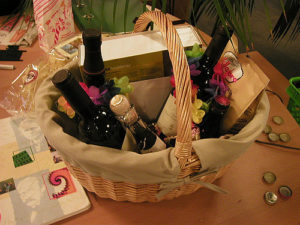
Nowadays, everybody is receiving a gift in a wicker basket. Most of us have more than 10 wicker baskets in our houses and don’t know what to do them. Try to enclose your gift in a creative and special basket. I would personally suggest something classic, for instance a wooden half barrel, picnic basket, glass platters or even ceramic cuttings. These materials are very easy to outsource. They will create a huge impression of uniqueness and the much needed attention.
5. Spice it Up
Up to this moment, you must have thought about who your gift hamper recipient is. This is going to guide you when you decide to spice it up. As I stated earlier, include something personalized, one that you have made yourself. You should have already figured out the theme you want. Choose a few items that match this theme. For example, if you decide it is a Christmas theme, try to include things that are deemed exclusive to Christmas. If you decide it is the theme of a wine, include some special wine glasses for your recipient. They will definitely appreciate it.